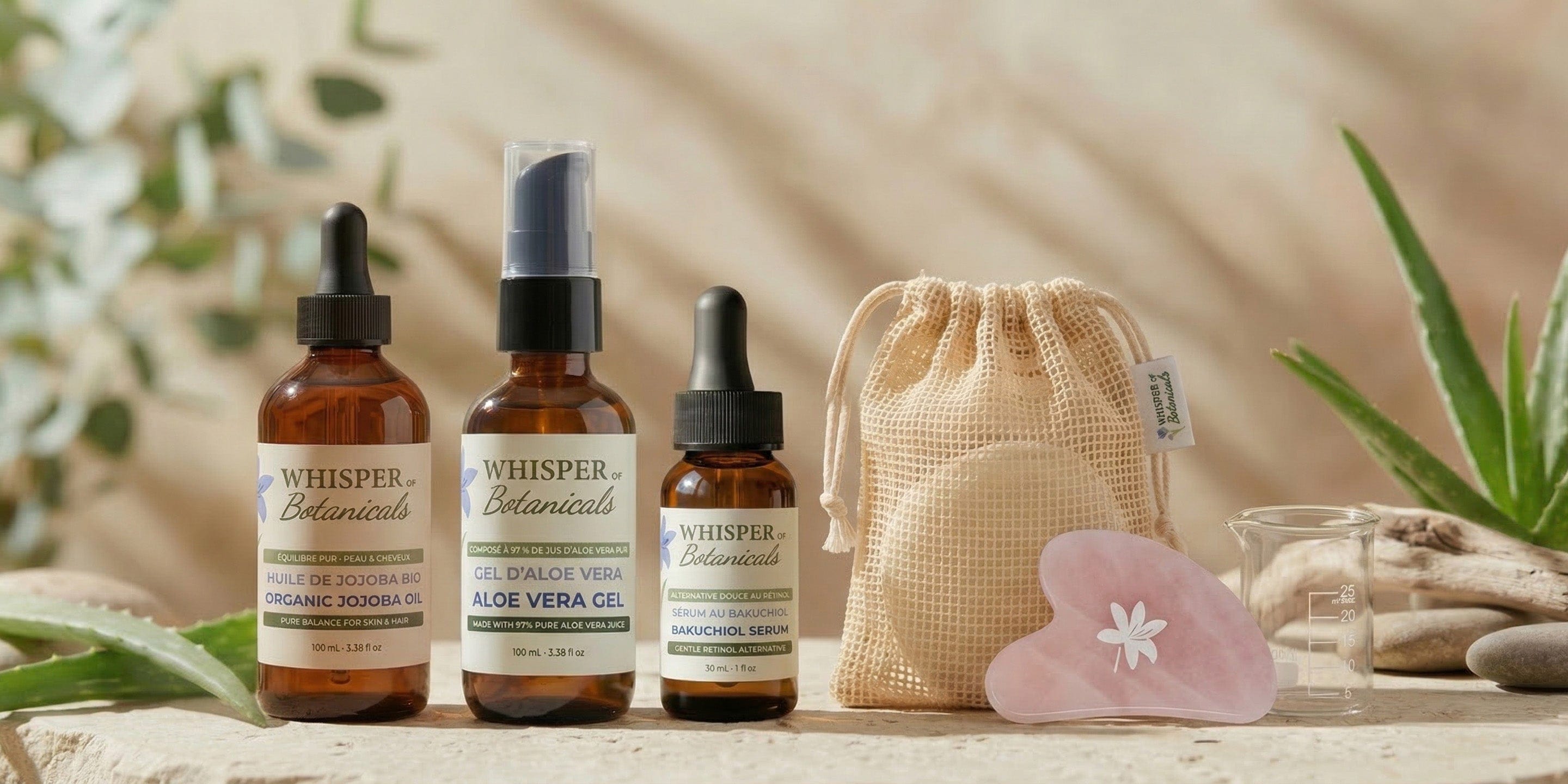


Making DIY skincare is often the part people focus on most. You choose ingredients, measure carefully, mix everything together, and enjoy the satisfaction of creating something yourself. But what happens after that matters too. Storage is one of the simplest ways to protect the quality of what you make.
For beginners, storage can feel like an afterthought. If the formula looks fine, smells fine, and sits nicely on the shelf, it is easy to assume everything is fine. But DIY skincare is influenced by its environment. Light, temperature, air exposure, moisture, and even the type of container you use can all affect how a product holds up over time.
That does not mean storage needs to feel technical or stressful. In most cases, safe storage comes down to a few calm, practical habits. Choosing the right container, keeping products properly closed, labeling them clearly, and paying attention to where they are stored can go a long way.
This guide explains the basics so your DIY skincare stays better protected from the start.
Why storage matters more than many beginners expect

A skincare formula does not stop changing the moment it is made. Once a product exists, it begins interacting with the world around it.
Air exposure can affect freshness. Light can influence delicate ingredients. Heat can make some products less stable or pleasant to use. Moisture around the container can increase mess and confusion, especially in humid spaces like bathrooms.
For beginners, this matters because storage is part of product care. Even a well-made recipe can feel less reliable if it is stored poorly. On the other hand, a simple formula stored thoughtfully often feels easier to trust and easier to enjoy.
Storage is not only about safety. It is also about preserving the quality of the experience.
Light, heat, and air can all affect your product
These are three of the biggest storage factors to understand.
Light can be an issue for ingredients that are more sensitive to exposure over time. Keeping products out of direct sunlight is one of the easiest ways to be more protective.
Heat can also matter. A product stored somewhere warm, or exposed to repeated temperature shifts, may not feel or behave the same as one kept in a cooler, more stable environment.
Air matters because every time a product is opened, it is exposed. That does not make a product unusable, but it does mean that well-closing containers and reasonable handling habits can help preserve freshness.
For most beginners, the takeaway is simple: avoid direct sun, avoid unnecessary heat, and keep containers properly closed when not in use.
Container choice makes a real difference

The container is not just packaging. It is part of how the formula is protected.
A good container helps limit unnecessary exposure, supports cleaner handling, and makes the product easier to use consistently. This is one reason glass is often preferred in DIY skincare. It feels more stable, more intentional, and better suited to a slower, more careful ritual.
Amber glass bottles can be especially appealing for light-sensitive ingredients because they help create a more protected environment while still feeling beautiful and reusable. Jars can work well for thicker products, while bottles often feel more practical for liquids and serums.
The right format depends on the formula, but the principle stays the same: choose a container that supports both the product and the way you plan to use it.
Bathrooms are not always the best storage place
This surprises many beginners, because bathrooms are where skincare products are most often used. But frequent heat and humidity can make them less ideal for storing certain DIY products over long periods.
That does not mean every product must be kept somewhere unusual. It simply means that cool, dry, stable environments are often a better general choice when possible.
A bedroom drawer, closed cabinet, or calm shelf away from direct sunlight can often be a more supportive storage space than a warm, steamy bathroom counter.
The goal is not perfection. It is just reducing unnecessary stress on the product.
Labeling is part of safe storage too

One of the easiest beginner habits is also one of the most helpful: label everything.
Once you start making more than one product, it becomes surprisingly easy to forget what was made when, which formula variation is in which bottle, or how long something has been sitting on the shelf. A simple label helps solve that immediately.
A useful DIY label can include:
-
product name
-
date made
-
optional notes if needed
This small step makes storage feel more intentional and much easier to manage. It also helps you notice patterns over time, especially as you start refining formulas.
Watch for changes in smell, texture, or appearance
Even with good storage habits, DIY skincare should still be observed.
If a product changes in smell, texture, color, or general appearance in a way that seems unusual, it is usually best to be cautious. A formula that once felt smooth but now feels separated, a scent that seems off, or a texture that no longer feels right can all be signs that something has changed.
You do not need to become hypervigilant about this. The goal is simply to stay attentive. DIY skincare works best when you stay connected to what you make rather than forgetting it in the back of a shelf.
When in doubt, it is often better to replace a product than to keep second-guessing it.
Simple formulas are often easier to store well
This is another quiet benefit of keeping DIY skincare simple.
When formulas are straightforward and easy to understand, storage usually feels simpler too. There are fewer variables, fewer chances for confusion, and fewer products sitting half-used for too long.
For many beginners, this is one more reason not to overbuy ingredients or make too many things at once. A smaller, more focused approach often feels easier to store, easier to track, and easier to use up with confidence.
A gentle way to begin with Whisper of Botanicals

At Whisper of Botanicals, we believe storage should feel like a natural extension of thoughtful skincare. A good setup does not need to be complicated. It usually starts with clean glass containers, clear labels, simple formulas, and ingredients chosen with intention.
A helpful next step might be to:
-
browse glass bottles and jars
-
explore blank labels and simple tools
-
read more about shelf life in DIY skincare
-
start with a beginner-friendly recipe that is easy to make and easy to store
That kind of setup helps DIY skincare feel calmer, clearer, and easier to maintain from the beginning.
Related reading
A natural next step after this guide would be:
Conclusion
Storing DIY skincare safely does not need to be complicated, but it does deserve attention.
Light, heat, air, moisture, and container choice can all influence how a product holds up over time. With a few simple habits — choosing the right container, labeling clearly, storing thoughtfully, and noticing changes when they happen — beginners can protect the quality of what they make much more easily.
Good storage is not separate from DIY skincare. It is part of doing it well.