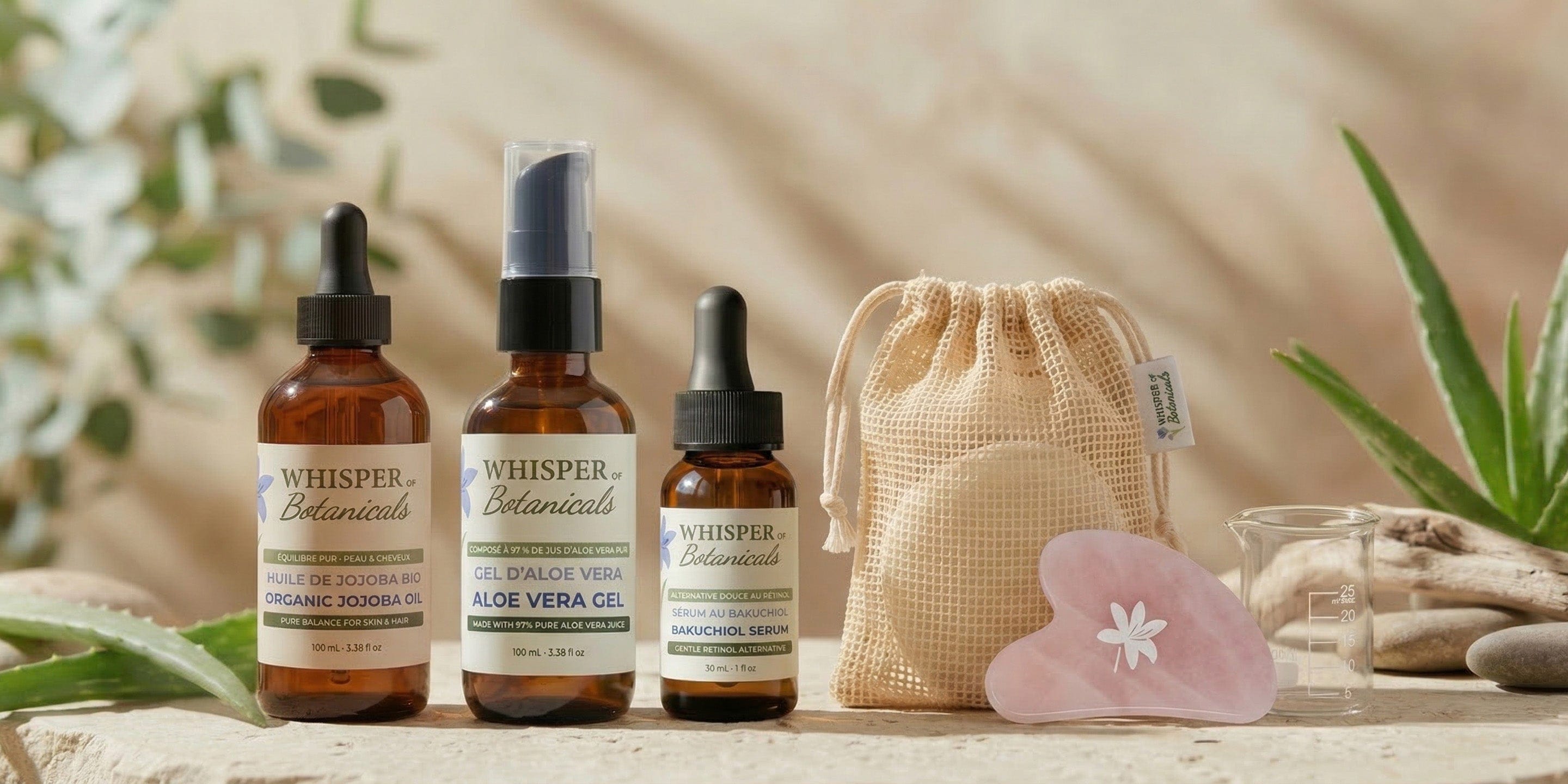


DIY skincare often appeals to people who want more clarity about what they put on their skin. Instead of choosing from long ingredient lists that feel hard to understand, many people like the idea of working with a few simple materials and learning how each one fits into a recipe.
The part that can feel intimidating is not always the making itself. It is often the fear of doing something wrong. What tools do you need? What ingredients make sense for a beginner? How do you keep things clean and safe?
This guide is here to make the first steps feel simpler. You do not need a full lab, a long shopping list, or a complicated routine. You just need a clean setup, a few practical essentials, and the willingness to start small.
Why people are drawn to DIY skincare

For many beginners, DIY skincare is not only about making something at home. It is also about slowing down, understanding ingredients better, and building a more intentional routine.
Some people start because they want fewer ingredients in the products they use. Others want more transparency, more control, or simply a more hands-on and creative approach to skincare. DIY can also make it easier to understand what each ingredient is doing, since the formulas are often much simpler than conventional products.
That simplicity can be one of the biggest benefits. When you begin with a small number of ingredients, it becomes easier to learn what your skin enjoys, what feels unnecessary, and what fits naturally into your routine.
What you actually need to begin
A lot of people imagine DIY skincare requires shelves of equipment and dozens of ingredients. In reality, a beginner can start with very little.
A simple setup usually includes:
-
a small precision scale for accurate measuring
-
a glass beaker or mixing container
-
a spatula or spoon for mixing
-
clean bottles or jars for storing your creation
-
blank labels to note the name and date
-
one very simple recipe to follow
That is enough for many beginner-friendly projects.
The key is not having more tools. The key is having the right ones. Accurate measuring, clean containers, and clear labeling make the process easier and safer from the start.
Start with simple ingredients, not too many

One of the most common beginner mistakes is trying to do too much at once. It can be tempting to buy many actives, oils, extracts, and add-ons right away. But a better start is usually a small group of versatile, easy-to-understand ingredients.
For many beginners, a simple starting point might include:
-
one or two carrier oils
-
one gentle water-based ingredient or hydrosol
-
one humectant or hydrating ingredient
-
one container format that fits the recipe
-
one recipe that uses only a few steps
Starting small helps you learn faster. You begin to understand texture, skin feel, and ingredient roles without the confusion of overly complex formulas.
In many cases, simpler skincare is not only easier to make — it is also easier to tolerate and easier to troubleshoot if something does not feel right.
Safety matters more than creativity at the beginning
DIY skincare can be a beautiful and rewarding practice, but it still needs to be approached with care. Beginner recipes should feel calm and simple, not experimental.
A few basic habits make a big difference:
Wash your hands before you begin. Clean your tools and containers carefully. Measure accurately rather than guessing. Label everything with the product name and the date you made it. Patch test new creations before regular use. Store them properly and discard anything that changes smell, texture, or appearance unexpectedly.
This does not mean DIY skincare has to feel stressful. It just means that good habits are part of the process. Once they become routine, the whole experience feels much more natural.
Choose recipes that are realistic for beginners

Not every DIY skincare recipe is a good first recipe.
A strong beginner recipe is usually:
-
short
-
clearly written
-
made with a small number of ingredients
-
easy to measure
-
easy to store
-
realistic to use up within a reasonable time
This is why simple serums, oil blends, and very straightforward moisturising or soothing recipes often make better starting points than more advanced formulations.
The goal of your first recipe is not to impress yourself. It is to help you build confidence.
DIY skincare does not need to feel perfect
There is sometimes pressure to get everything right immediately. But DIY skincare is a learning process. Your first project does not need to look like a commercial product. It just needs to be made thoughtfully, safely, and simply.
Over time, you begin to understand more: which textures you enjoy, which ingredients suit your skin, which tools are most helpful, and which recipes feel worth repeating.
Confidence usually comes from repetition, not from complexity.
A gentle way to begin with Whisper of Botanicals

At Whisper of Botanicals, we believe starting DIY skincare should feel clear, beautiful, and approachable — not overwhelming. That is why a beginner-friendly setup matters so much.
For most first projects, what helps most is having a few trustworthy ingredients, practical tools, clean glass containers, and an easy recipe to follow. That combination makes the process feel much less intimidating.
A simple next step might be to browse:
-
beginner-friendly DIY skincare tools
-
a small selection of core ingredients
-
practical guides in the Learning Center
Related reading
A natural next step after this guide would be:
Conclusion
Starting DIY skincare does not require a perfect setup or a deep technical background. What matters most is beginning in a simple, thoughtful way.
A clean workspace, a few practical tools, beginner-friendly ingredients, and one well-written recipe are often more than enough to get started well. Once the first steps feel manageable, the rest becomes much easier to explore.
The best beginning is usually the simplest one.